

Understanding Garage Floor Coating for Hot Climates in Florida
Central Florida’s climate, with daily highs often surpassing 90°F and intense sun exposure, creates a demanding environment for garage floors. Unlike cooler regions, garages here are subjected to prolonged heat and thermal cycling—daily temperature swings that cause concrete and coatings to expand and contract. This can lead to cracking, delamination, or peeling of inferior coatings.
Adding to the challenge, Florida's high humidity levels, often exceeding 70%, increase the moisture load on concrete slabs, which can exacerbate coating failures if moisture vapor transmission isn't properly addressed during installation. Additionally, garages in Central Florida often double as workshops or storage areas, increasing foot traffic and mechanical wear, which further stresses the coating system.
Garage floor coating for hot climates in Florida must address these specific challenges. The coating system needs to be flexible enough to handle thermal expansion, resistant to UV rays, and robust against hot tire pickup—a phenomenon where tires heat up on long drives and stick or mark the floor surface. For example, in cities like Orlando, Kissimmee, and Lakeland, where afternoon thunderstorms follow hot, sunny days, the rapid cooling can intensify thermal cycling effects.
Moreover, Florida's proximity to the coast introduces salt-laden air in some areas, which can accelerate corrosion of embedded metals in garage floors, making a high-performance coating system essential for long-term protection. This section sets the stage for why your choice in garage floor coatings matters in Central Florida’s heat.
How Thermal Cycling Affects Garage Floor Coatings
Thermal cycling refers to the daily heating and cooling process that concrete floors undergo in Florida. As temperatures rise above 90°F in garages, the concrete slab and the coating layer expand. When temperatures drop at night, they contract. Over time, this repeated movement can stress coatings that lack the necessary flexibility.
Concrete’s coefficient of thermal expansion, although relatively low, combined with Florida’s wide temperature swings—sometimes exceeding 30°F between day and night—means that coatings need to accommodate subtle but continual movements. In Central Florida, garages often experience interior temperatures climbing well above outdoor temperatures due to trapped heat, which intensifies thermal cycling stresses.
Epoxy coatings, while durable, can become brittle or develop micro-cracks if not formulated for high heat and thermal cycling. These cracks allow moisture to penetrate, potentially causing delamination or peeling. In regions like Tampa and Daytona Beach, where high humidity is a constant factor, moisture intrusion exacerbated by thermal cycling is a common cause of coating failure.
Polyaspartic coatings, on the other hand, offer enhanced flexibility and elasticity to absorb these stresses without cracking. Studies show that polyaspartic coatings can endure over 1,000 thermal cycles without significant degradation, making them ideal for Florida’s climate. For homeowners in areas like Orlando, Lakeland, or Daytona Beach, selecting a coating system with proven thermal resistance is essential to prevent premature wear and costly repairs.
What Is Hot Tire Pickup and Why Does It Matter in Florida?
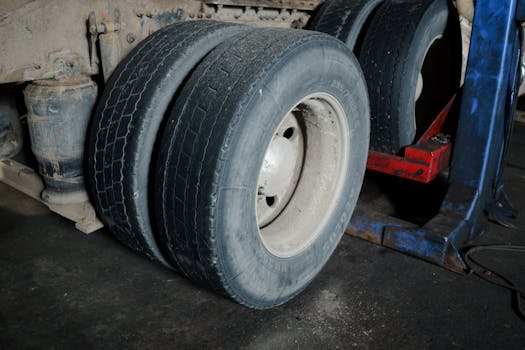
Hot tire pickup occurs when tires that have heated up from driving stick to the garage floor coating, pulling or lifting the surface as the vehicle moves. Florida’s hot climate exacerbates this issue because tires can reach higher temperatures quickly, especially after driving on highways like I-4 or the Florida Turnpike.
During Florida’s long summer months, it’s common for vehicle tires to reach temperatures exceeding 140°F after highway driving. When these hot tires enter a garage with a coating that lacks heat resistance, the surface softens momentarily, causing the rubber to adhere to the floor. This adhesion can lift or peel the coating, leaving unsightly blemishes and damage.
Coatings that are not designed to withstand hot tire pickup will show marks, lifting, or damage shortly after installation. This is particularly problematic for residents in high-traffic areas such as Winter Park, Altamonte Springs, or Clermont, where daily highway commutes increase exposure to hot tire pickup risks.
At Granite Garage Floors Orlando, we use polyaspartic/urethane topcoats that are highly resistant to hot tire pickup, backed by our Lifetime Satisfaction Warranty covering this exact issue. This guarantees that your garage floor coating for hot climates will maintain its appearance and integrity. Additionally, our coatings have been tested to withstand temperatures well above typical tire heat, ensuring lasting performance for Central Florida drivers.
Choosing the Right Garage Floor Coating System for 90°F+ Garages
Not all coatings perform equally under Florida’s heat. Our system starts with diamond grinding the concrete slab to ensure proper adhesion by removing surface contaminants and creating a profile for the coating to bond. This step is critical in Central Florida, where concrete slabs often develop surface laitance due to high humidity during curing.
Then, an industrial-grade epoxy base is applied for strength and durability, providing excellent chemical and abrasion resistance. This base layer protects the concrete from oil stains, antifreeze spills, and other common garage contaminants in Florida homes.
Next comes a decorative flake broadcast, which not only adds aesthetic appeal but also enhances slip resistance—an important safety feature given Florida’s frequent rain and wet conditions. Popular flake colors tailored to Central Florida tastes include sandy beige, coastal gray, and tropical turquoise blends.
The final layer is a polyaspartic or urethane topcoat engineered for high UV and heat resistance. Polyaspartic coatings cure quickly, often within 24 hours, allowing homeowners in busy areas like Tampa, Brandon, or Kissimmee to return to use their garages sooner. Their fast cure also reduces downtime during Florida’s frequent summer rain showers.
This layered approach provides a floor coating that looks and lasts like granite, even in intense heat. In addition, polyaspartic topcoats offer excellent resistance to Florida’s high UV index, preventing yellowing or fading over years of exposure.
Comparing Epoxy and Polyaspartic Coatings in Florida’s Climate
Epoxy coatings offer durability and chemical resistance but can struggle with Florida’s thermal cycling and hot tire pickup if not specifically formulated for heat. They typically require longer curing times—up to 72 hours—which can be inconvenient during Florida’s short dry windows between rain events. Additionally, standard epoxy coatings may yellow or fade under Florida’s intense UV exposure, especially in garages with windows or open doors.
Polyaspartic coatings cure in hours, resist UV degradation, and have superior flexibility to accommodate temperature swings. Their rapid curing times are ideal for Central Florida’s unpredictable weather, allowing installations to be completed quickly before afternoon thunderstorms roll in. Polyaspartics also have a lower VOC content, making them a more environmentally friendly choice aligned with Florida’s green building initiatives.
They are also more resistant to hot tire pickup, making them a preferred choice for Florida homeowners. This resistance is critical given the state’s high vehicle usage and warm climate. While polyaspartic coatings can be more expensive upfront, their longevity and minimal maintenance often result in better long-term value in Central Florida’s hot climate.
For example, a homeowner in St. Petersburg who invested in a polyaspartic system reported no fading or damage after five years of Florida sun and regular vehicle traffic, whereas many neighboring epoxy-coated floors showed signs of wear within two years.
Maintenance Tips for Garage Floor Coatings in Central Florida
Maintaining your garage floor coating in Florida involves regular cleaning and avoiding harsh chemicals that can degrade the surface. Sweeping or using a leaf blower to remove debris prevents scratches from dirt and grit, which are common given Florida’s sandy soils, especially in areas near the Gulf Coast such as Clearwater or Sarasota.
For spills, use mild detergents and avoid acidic cleaners, which can etch or dull the coating’s surface. Since Florida experiences high humidity and frequent rainstorms, it’s important to dry the garage floor promptly to avoid mold or mildew, which can develop in shaded or poorly ventilated garages.
Because Florida humidity can promote mold growth in shaded garages, ensure proper ventilation by installing exhaust fans or using dehumidifiers if needed. Occasionally cleaning the floor with a diluted bleach solution can help prevent mold and mildew buildup, especially in coastal areas like Cocoa Beach or New Smyrna Beach.
Addressing minor chips or wear promptly by touching up the coating helps maintain the protective qualities against heat, moisture, and chemical exposure. Scheduling an annual inspection with a local expert familiar with Florida’s climate can extend the life of your garage floor coating significantly.
Why Local Expertise Matters: Central Florida Garage Floor Coating
Choosing a locally owned company like Granite Garage Floors Orlando means working with experts who understand the unique challenges of Florida’s climate. We’ve installed over 10 million square feet of garage floors across the I-4 corridor, from Winter Haven to DeBary, encompassing diverse microclimates and concrete conditions.
Our team is familiar with the specific issues caused by Central Florida’s combination of heat, humidity, and heavy vehicle use. This local knowledge enables us to recommend coating systems and installation techniques that prevent common problems like thermal cracking, hot tire pickup, and UV degradation.
We also understand the importance of working around Florida’s seasonal weather patterns, scheduling installations to avoid the rainy summer months or planning rapid cure coatings for tight project timelines. Our Lifetime Satisfaction Warranty covers hot tire pickup and other climate-related issues, providing peace of mind that your investment will last for years despite Florida’s heat.
Moreover, our reputation in the community is backed by over 218 five-star reviews, reflecting our commitment to quality and customer satisfaction throughout Central Florida. Whether you live in a coastal town like New Smyrna Beach or inland cities like Lakeland, our local expertise ensures your garage floor coating is built to last.
Get a Free Estimate for Garage Floor Coating for Hot Climates Today
If you live in Tampa, Orlando, Daytona Beach, or anywhere along the I-4 corridor, protecting your garage floor from Florida’s heat starts with the right coating system. Contact Granite Garage Floors Orlando at (407) 890-3171 for a free, no-obligation estimate.
Our expert team will assess your garage conditions—taking into account concrete age, moisture levels, vehicle traffic, and local climate factors—and recommend a system designed to withstand thermal cycling and hot tire pickup. We tailor each project to the unique needs of Central Florida homeowners, ensuring maximum durability and aesthetic appeal.
With over 218 five-star reviews and a proven track record, we provide garage floor coatings that truly look and last like granite. Don’t wait until heat or wear takes its toll—reach out today and learn how our specialized coatings can protect your Florida garage for decades.
Frequently Asked Questions
What is the best garage floor coating for hot climates like Florida?
Polyaspartic coatings are generally the best choice for hot climates like Florida due to their superior UV resistance, flexibility to handle thermal cycling, and strong resistance to hot tire pickup. These coatings cure quickly and maintain their appearance under intense heat, making them ideal for Central Florida’s challenging environment.
How does hot tire pickup damage garage floor coatings?
Hot tire pickup happens when heated tires stick to the garage floor coating and pull up or damage the surface as the vehicle moves. This is more common in hot climates where tires heat up rapidly, causing coatings without proper resistance to lift or peel. Over time, this can lead to unsightly marks, delamination, and costly repairs.
Can epoxy garage floor coatings withstand Florida’s heat?
Standard epoxy coatings may struggle with Florida’s high heat and thermal cycling unless specially formulated for these conditions. They can become brittle or peel over time. Industrial-grade epoxy combined with a polyaspartic topcoat performs much better in Central Florida, offering enhanced durability and heat resistance.
How does thermal cycling affect garage floors in hot climates?
Thermal cycling causes the concrete and coatings to expand during the heat of the day and contract when cooler at night. Repeated cycles can stress coatings that lack flexibility, leading to cracks, delamination, or peeling over time. In Florida, the combination of heat, humidity, and rapid temperature changes intensifies these effects.
Does Granite Garage Floors offer warranty coverage for hot tire pickup?
Yes, Granite Garage Floors Orlando offers a Lifetime Satisfaction Warranty that specifically covers hot tire pickup. This guarantee ensures your garage floor coating will resist damage from heated tires, providing long-term protection in Florida’s hot climate.
Get a free estimate from our Orlando team. No pressure, no obligation — just honest advice and a firm quote.
Request Free Estimate →