
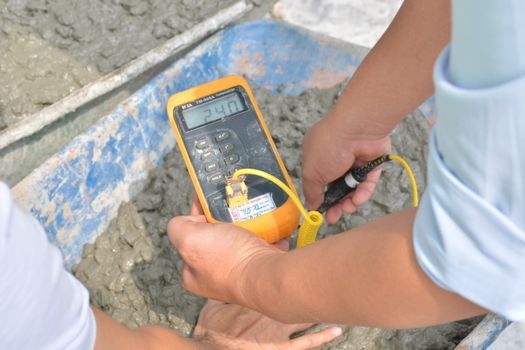
Why Is Moisture Testing Concrete Garage Floor Critical in Florida?
Moisture testing concrete garage floors before coating is vital in Florida because of the region’s high humidity, frequent rain, and elevated water tables. These environmental factors cause moisture to migrate upward through concrete slabs, potentially compromising any coating applied.
Florida’s climate creates a persistent moisture challenge. Without testing, coatings may trap moisture beneath the surface, leading to bubbling, peeling, and delamination. This not only ruins the aesthetic but also shortens the lifespan of your garage floor coating.
Granite Garage Floors Orlando emphasizes moisture testing as a non-negotiable step in their process, ensuring coatings “look and last like granite™.” In Central Florida’s I-4 corridor, where humidity often hovers above 70% and the rainy season can saturate the ground, skipping moisture testing risks coating failure and costly repairs.
In summary, moisture testing is your first defense against Florida’s unique environmental challenges. It ensures your investment in a premium garage floor coating stands up to the state’s heat, humidity, and seasonal storms.
What Are the Main Moisture Testing Methods for Concrete Floors?
Two industry-standard methods assess moisture in concrete before coating: the calcium chloride test and relative humidity (RH) probe testing. Each measures moisture differently and serves distinct roles.
The calcium chloride test measures moisture vapor emission rate (MVER) from the concrete surface over 24-72 hours. A small dish of calcium chloride is sealed under plastic on the slab, and the weight gain indicates moisture vapor escaping. This test is quick and inexpensive but only gauges moisture at the surface.
Relative humidity probes, on the other hand, involve drilling holes into the slab (typically 40-80% depth) and inserting sensors to measure internal moisture content. This method provides a more accurate picture of moisture conditions throughout the slab thickness.
In Florida’s humid environment, RH probes are often preferred due to their precision, especially when dealing with slabs on grade with high water tables. Granite Garage Floors Orlando uses both tests as part of a comprehensive moisture assessment strategy.
Understanding these tests helps homeowners grasp why installers insist on moisture evaluation before coating to avoid premature failures caused by hidden moisture issues.
How Does Florida’s Humidity and Water Table Affect Concrete Moisture?
Florida’s naturally high humidity and elevated water table directly impact concrete moisture levels in garages. Relative humidity in Central Florida commonly exceeds 70%, sometimes reaching near 90% during the summer rainy season.
Concrete is porous and acts like a sponge, absorbing moisture from the groundwater beneath and humid air above. The high water table means moisture pressure continually pushes water vapor upward through the slab, a process called vapor drive.
During hurricane season, heavy rains saturate soil rapidly, increasing moisture in concrete slabs. This constant exposure can overwhelm coatings that are not designed or installed with moisture mitigation in mind.
Without proper moisture testing and vapor barriers, coatings can trap this moisture, causing bubbling, peeling, and adhesive failure. Granite Garage Floors Orlando’s process addresses these challenges by evaluating moisture and recommending appropriate vapor barriers or coatings formulated to withstand Florida’s conditions.
In short, Florida’s climate requires specialized attention to moisture control to ensure garage floor coatings remain durable and visually stunning year-round.
What Is a Calcium Chloride Test and How Does It Work?
The calcium chloride test measures moisture vapor emission rate (MVER) from a concrete slab’s surface. It’s a standardized, ASTM-approved method commonly used before floor coatings.
To perform the test, a small dish containing anhydrous calcium chloride is sealed to the concrete surface under a plastic dome. Over 24 to 72 hours, the calcium chloride absorbs moisture vapor emitted from the slab. The dish is then weighed to determine how much moisture was collected.
The results are expressed as pounds of moisture per 1,000 square feet over 24 hours. Industry guidelines often recommend an MVER below 3 lbs/1000 ft²/24hr for coatings to adhere properly.
While this test is convenient and non-invasive, it only measures vapor emission at the surface, which can miss deeper slab moisture issues. In Florida, where moisture often comes from below, calcium chloride testing is typically combined with other methods for a complete picture.
Granite Garage Floors Orlando incorporates calcium chloride testing as part of their moisture evaluation, ensuring coatings are applied only when moisture levels are safe, protecting your investment from early failure.
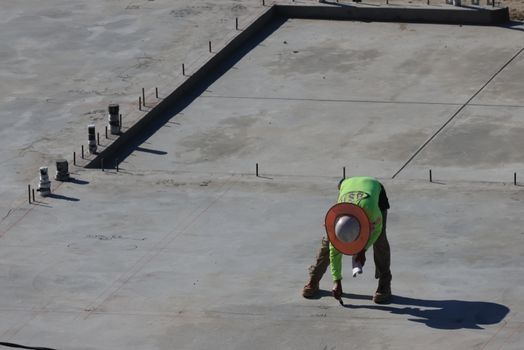
How Do Relative Humidity Probes Provide a More Accurate Moisture Reading?
Relative humidity (RH) probes measure internal moisture levels within the concrete slab, offering a more accurate assessment than surface tests alone.
Installers drill holes to 40-80% of the slab depth and insert sealed probes equipped with humidity sensors. These sensors remain for 24-72 hours, recording internal RH percentages.
Unlike calcium chloride tests, RH probes detect moisture trapped inside the slab, which is critical in Florida where moisture often migrates upward from groundwater. High internal RH indicates a high risk of moisture-related coating failures.
Industry standards suggest coatings should only be applied when internal RH levels are below 75-85%, depending on product specifications. Granite Garage Floors Orlando relies heavily on RH probe results to determine if a vapor barrier or alternative preparation is necessary.
This method’s precision helps prevent costly mistakes, ensuring coatings adhere properly and last longer despite Florida’s humidity and water table challenges.
What Role Do Vapor Barriers Play in Moisture Control for Garage Floors?
Vapor barriers are critical in preventing moisture migration from the ground into concrete slabs and eventually the coating layer.
In Florida, where the water table is often high, a vapor barrier installed beneath the slab during construction reduces moisture intrusion. However, many existing garages lack this feature.
When moisture testing reveals high vapor emissions or internal RH, installers may recommend adding a topical vapor barrier or moisture mitigation membrane before coating.
These coatings or membranes block vapor transmission, protecting the epoxy or polyaspartic topcoat from blistering and peeling caused by trapped moisture.
Granite Garage Floors Orlando uses industry-leading vapor barrier products combined with moisture testing to tailor solutions for Florida’s demanding environment. This approach extends the life of your garage floor coating and maintains its “looks & lasts like granite™” promise.
Without proper vapor barriers, coatings are vulnerable to failure despite high-quality materials and installation.
What Happens When Installers Skip Moisture Testing?
Skipping moisture testing before coating concrete floors in Florida can result in premature failures with costly consequences.
Without knowing moisture levels, coatings may be applied over damp concrete. As moisture vapor rises, it gets trapped beneath the coating, causing bubbling, peeling, flaking, and delamination.
Homeowners may notice coatings blistering within weeks or months, requiring expensive repairs or complete removal. Warranty claims can be denied if moisture testing was not performed.
Furthermore, moisture-related failures compromise the aesthetic appeal and durability of garage floors, reducing home value and leading to headaches.
Granite Garage Floors Orlando’s lifetime satisfaction warranty covers hot tire pickup but relies on proper moisture testing and preparation to avoid such issues.
In Florida’s humid climate, moisture testing is not optional — it’s essential to avoid costly rework and ensure your garage floor coating truly lasts.
How Does Granite Garage Floors Orlando Address Moisture Testing and Preparation?
Granite Garage Floors Orlando implements a rigorous moisture testing and preparation protocol tailored to Florida’s climate.
Their process begins with diamond grinding to open pores and remove surface contaminants. Next, both calcium chloride and RH probe tests assess moisture levels comprehensively.
If moisture levels exceed safe thresholds, they recommend installing vapor barriers or moisture mitigation membranes before coating.
The system uses a 100% solids epoxy base coat, decorative flake broadcast, and a UV-stable polyaspartic topcoat designed to withstand Florida’s heat, humidity, and UV exposure.
This thorough approach has helped them install over 5 million square feet of garage floors across 60+ cities along the I-4 corridor, backed by 218+ five-star reviews.
By prioritizing moisture testing, Granite Garage Floors Orlando ensures coatings “look and last like granite™,” protecting your investment despite Florida’s challenging environment.
How Much Does Moisture Testing and Mitigation Add to Garage Floor Coating Costs?
Moisture testing typically adds $200 to $500 to the cost of your garage floor coating project, depending on the number and type of tests conducted.
Calcium chloride tests are generally less expensive, while relative humidity probes require more labor and equipment, increasing costs.
If mitigation is needed, installing vapor barriers or moisture membranes can add $500 to $1,500 or more, depending on slab size and condition.
Granite Garage Floors Orlando prices standard two-car garage coatings between $2,900 and $4,800. These moisture control measures are essential investments that prevent premature failures and protect your long-term value.
Skipping these steps might seem cheaper upfront but often leads to costly repairs, recoating, or replacement down the line.
Budgeting for comprehensive moisture testing and mitigation ensures your Florida garage floor coating performs well in the state’s humid, rainy climate.
What Should Homeowners Look for When Choosing a Garage Floor Coating Company in Florida?
Homeowners in Florida should prioritize garage floor coating companies that understand local moisture challenges and perform thorough testing.
Look for companies that use both calcium chloride and RH probe testing, and offer solutions like vapor barriers when needed.
Verify that installers use premium coating systems with UV-resistant polyaspartic topcoats designed for Florida’s heat and humidity.
Check for strong warranties, such as Granite Garage Floors Orlando’s lifetime satisfaction warranty covering hot tire pickup, which indicates confidence in product performance.
Also, review customer testimonials and completed project portfolios in your area along the I-4 corridor to ensure expertise in Florida-specific conditions.
Choosing a company with proven moisture control experience protects your investment and provides peace of mind that your garage floor coating will “look and last like granite™.”
How Can Proper Moisture Testing Extend the Life of Your Garage Floor Coating?
Proper moisture testing before coating your concrete garage floor in Florida significantly extends the coating’s lifespan by preventing moisture-related failures.
By identifying moisture levels, installers can apply vapor barriers or choose appropriate coatings that tolerate residual moisture.
This prevents bubbling, peeling, and delamination caused by trapped moisture vapor, common in Florida’s humid environment.
A well-tested and prepared slab ensures that the epoxy or polyaspartic coating adheres properly and maintains durability despite heat, UV exposure, and hurricane-season rains.
Granite Garage Floors Orlando’s commitment to moisture testing has resulted in coatings that maintain their beauty and protection for years, even in tough Florida conditions.
Ultimately, investing in moisture testing upfront saves money on repairs and keeps your garage floor looking premium for longer.
Frequently Asked Questions
What happens if I don’t moisture test my garage floor before coating?
Skipping moisture testing risks coating failure due to trapped moisture vapor causing bubbling, peeling, and delamination. In Florida’s humid climate, this can happen within months, leading to costly repairs or recoating.
How long does a calcium chloride moisture test take?
A calcium chloride test typically takes 24 to 72 hours to complete. The test measures moisture vapor emitted from the slab surface during this period to determine if moisture levels are safe for coating.
Are relative humidity probes invasive to my garage floor?
RH probes require drilling small holes about 40-80% through the slab. While this is minimally invasive, it provides much more accurate internal moisture readings than surface tests alone.
Can moisture testing detect problems caused by Florida’s high water table?
Yes, moisture testing methods like RH probes can identify moisture migrating from Florida’s high water table, which is critical to prevent coating failures caused by rising vapor pressure.
Do all garage floors in Florida need a vapor barrier?
Not all floors require vapor barriers, but many Florida slabs lack adequate moisture protection. Moisture testing determines if a vapor barrier or moisture mitigation membrane is necessary before coating.
How much does moisture testing typically cost in Florida?
Moisture testing costs vary, usually ranging from $200 to $500 depending on the tests performed. Vapor barrier installation, if required, adds to the overall project cost but protects your investment.
Get a free estimate from our Orlando team. No pressure, no obligation — just honest advice and a firm quote.
Request Free Estimate →